PPC Management

PPC Management Services That Turn Clicks Into Customers

Pay-per-click is the fastest way to reach people who are ready to buy, and the fastest way to burn a budget if nobody is watching. We plan, run and measure your paid search and shopping campaigns around the numbers that matter: leads, revenue and return.

  • Google Partner
  • Meta Business Partner
  • CXL Certified Optimizer
  • Magento Certified Developers
  • Claude Certified Architect – Foundations
Rocket engine propellant feed schematic with tank, valves, gauge and pump leading to an engine nozzle along an orange flow line, illustrating ad budget flowing into results
Plate 07 · Propellant feed

What is PPC management?

PPC (pay-per-click) management is the ongoing work of planning, launching and improving paid ads where you pay when someone clicks. It covers search, shopping, video and remarketing, and a good program ties spend to leads and revenue, not just clicks.

PPC puts your offer in front of people at the moment they are looking, which makes it one of the few channels where you can turn on demand and measure the result within days. Search engine marketing (SEM) is the same idea applied to search engines: bidding on the queries your customers type, on Google and on Microsoft’s Bing.

The mechanics are simple and the margins are not. The brands that win are the ones with accurate tracking, offers that match the search and someone checking the account every week. We handle all three, and we plan paid search alongside SEO and Meta advertising so the channels help each other. If Google is your main channel, see our Google Ads management services; for the newer auctions, see TikTok advertising and ChatGPT ads.

Updated October 2026 · Growth Rocket search team

How PPC works: the auction in plain English

In pay-per-click advertising, every search triggers an auction. Your ad competes on your bid and your ad quality (expected click-through rate, ad relevance and landing page experience), and you pay only when someone clicks.

Search engines do not simply sell the top spot to the highest bidder. Google and Microsoft score every ad on how likely it is to be useful: how relevant it is to the search, how likely people are to click it and how good the page behind it is. A better score can win a better position at a lower price.

That is why two businesses bidding the same amount can pay very different amounts per click, and why the best PPC managers spend as much time on ads, keywords and landing pages as on bids.

The pieces of a campaign: keywords (what you want to show for), match types (how loosely), negative keywords (what you never want), ads, extensions and assets, audiences, a landing page and a conversion goal. Get those in order and the bidding has something good to work with.


PPC, SEO and paid social: where does the next dollar go?

Every channel plays a different role. Here is how we weigh them.

ChannelHow people arriveSpeed to resultsBest forMain limit
Paid search (PPC) They search with a need and see your adDaysCapturing existing demand, launches, offers, high-intent keywordsYou pay for every click; visibility ends when spend does
Shopping ads They search for a product and see it with a priceDays to weeksOnline stores with a clean product feedFeed quality decides everything
Paid social (Meta) They scroll and meet your adDays to weeksCreating demand, retargeting, visual productsCreative fatigue; weaker intent than search
Video (YouTube) They watch and meet your adWeeksAwareness, education, warming audiencesHard to judge by last click
SEO They search and find your pageMonthsCompounding, lower-cost traffic over timeSlower to start and less controllable

What our PPC management services include

The full loop, from the first audit to the monthly review.

  • 01

    PPC audit and strategy

    A review of your accounts, tracking and goals, with a prioritized plan and a realistic view of what your budget can do.

  • 02

    Keyword and intent mapping

    Searches grouped by what the person wants, so each ad and page answers one clear need.

  • 03

    Search and shopping campaigns

    Search, Shopping and Performance Max structured for control and clear reporting on Google and Microsoft Advertising.

  • 04

    Ad copy and creative

    Ads written to earn the click and qualify the visitor, tested against each other all the time.

  • 05

    Landing pages and conversion rate

    Recommendations and tests on the pages your ads point to, because conversion rate is half the equation.

  • 06

    Tracking and attribution

    Conversion tracking, GA4, call tracking and offline imports so the numbers match your business.

  • 07

    Remarketing and audiences

    Bringing back visitors with timely, relevant ads across search, display and video.

  • 08

    Bid and budget management

    Targets based on margin and lead value, with budget shifted toward what earns its keep.

  • 09

    Reporting and review

    Plain-English reports and regular calls that explain what changed, why and what comes next.

PPC for the way you grow

  • Lead generation

    Forms and calls for services and B2B, with lead quality sent back to the account.

  • Ecommerce

    Shopping, Performance Max and remarketing on a clean feed, with margin-aware targets.

  • Local and multi-location

    Location-level campaigns and call tracking for businesses with a service area.

  • Google Ads
  • Microsoft Advertising
  • YouTube
  • Google Shopping
  • Performance Max
  • Local Services Ads
  • GA4
  • Google Tag Manager

What does a PPC manager do every week?

A good PPC manager reviews search terms, adjusts bids and budgets, tests ads and landing pages, checks tracking, watches competitors and reports on results. It is a rhythm of small, steady improvements.

“What to expect from a PPC management agency” is a fair question, and the best answer is a calendar.

  1. 01Weeklyreview the search terms report and add negatives, check spend against budget and pace, review ad and keyword performance, launch or end tests and fix anything broken.
  2. 02Monthlyreview results against goals, look at conversion quality and cost per result, update the roadmap and report in plain English.
  3. 03Quarterlyrevisit strategy, audiences, creative direction and channels, and decide where more budget would pay.

You should see all of this in your reports and calls. If an agency cannot tell you what it did last week, that is worth asking about.

What to expect in the first 90 days of PPC management

Expect an audit and tracking fixes in the first weeks, a launch with tight controls next, and steady optimization after that, with enough data by day 60 to 90 to scale what works.

PPC rewards a methodical start.

  1. 01Weeks 1 to 2, audit and set upgoals, margins, tracking, account structure and landing pages.
  2. 02Weeks 2 to 4, launchthe highest-intent campaigns go live first, with conservative budgets, close monitoring and fast fixes.
  3. 03Weeks 4 to 8, learnsearch terms, creative and landing page tests, and tighter targeting as data arrives.
  4. 04Weeks 8 to 12, scalebudget moves toward what earns its keep, and new campaigns and channels are added.

Performance is rarely perfect in the first week, and that is normal. What matters is that the trend is clear and that you can see why.

How we run your PPC program

Five steps, repeated every week.

  1. 01

    Audit

    We learn the business, the margins and the history, then find the leaks.

  2. 02

    Plan

    We agree goals, structure, budget and a testing roadmap.

  3. 03

    Build and launch

    Tracking first, then campaigns, ads and pages.

  4. 04

    Optimize

    Search terms, bids, creative and tests on a fixed weekly rhythm.

  5. 05

    Report and scale

    Clear monthly reviews, then more budget where return holds.

Why brands choose Growth Rocket for PPC

A boutique agency with enterprise discipline. The people who plan the work also do it.

  1. 01

    Certified Google Partners

    Specialists certified in Search, Display and Shopping, working in your accounts every week.

  2. 02

    Paid, organic and web under one roof

    We can fix the landing page, the feed and the SEO that sit behind the ad, not just the ad.

  3. 03

    Numbers that match your books

    We tie reporting to leads, revenue and cost per result, not impressions.

  4. 04

    You own your accounts

    Full access, no black box and no lock-in.

  5. 05

    Plain-English reporting

    We say what worked, what did not and what we are trying next.

Certified, and kept current

How to choose a PPC agency: six questions to ask

PPC agencies all promise the same things. These questions show who can deliver.

We answer every one of these on a first call.

  1. Will I own my ad accounts?

    You should. Never work with an agency that runs your campaigns in their own account and keeps the history.

  2. How do you measure success?

    The answer should be leads, revenue and cost per result, tied to your numbers, not clicks and impressions.

  3. Who will manage my account day to day?

    Ask for a name, their experience and how many accounts they handle.

  4. How do you set up conversion tracking?

    It is the foundation. Ask how they verify it and handle offline conversions.

  5. What does reporting look like?

    Ask to see a sample. It should show outcomes, what changed and what is next.

  6. Will you work with our landing pages and sales team?

    PPC results depend on both. The right agency will look beyond the ad.

PPC results from our case studies

Case Study: How Growth Rocket Cut Cost per Conversion 77% and Grew Search Visibility for MotoClub LA

Case Study :

Case Study: How Growth Rocket Cut Cost per Conversion 77% and Grew Search Visibility for MotoClub LA

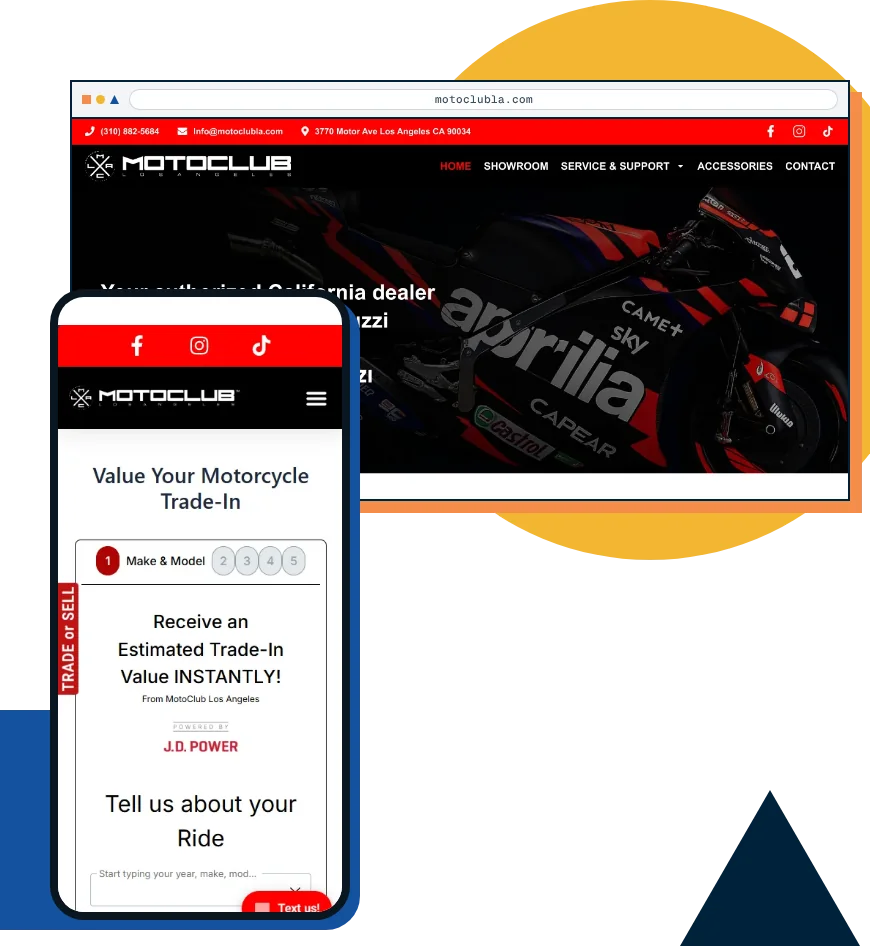
MotoClub LA sells and services Aprilia, Moto Guzzi and Stark Future motorcycles from its showroom on Motor Avenue. We cut its paid search down to the campaigns that sign riders up, then gave its new site structure the SEO to rank across Los Angeles.

−77%
cost per conversion on the campaigns we kept, against the ones we retired
5.4×
conversion rate on the active campaigns versus the retired ones
3.7×
Google search impressions, last six months against the six before
Read More
Case Study: How Growth Rocket Made Entire Travel Group’s Leads Cheaper Across Meta, Google and ChatGPT Ads

Case Study :

Case Study: How Growth Rocket Made Entire Travel Group’s Leads Cheaper Across Meta, Google and ChatGPT Ads

Entire Travel Group is a family-owned Sydney travel company that sells Tahiti, Switzerland, Canada rail and small-ship journeys to Australian travelers. Each year built on the last: we moved Meta from reach to leads, made Google cheaper flight after flight, opened ChatGPT Ads and lifted destination rankings to the top of Google.

4.7×
cheaper leads with Meta Instant Forms than with website forms
−77%
Google Ads cost per conversion, first flight to latest
~4×
organic conversion rate against 2023
Read More
Case Study: How Growth Rocket Drove Conversions and Ecommerce Revenue for Tenderbites

Case Study :

Case Study: How Growth Rocket Drove Conversions and Ecommerce Revenue for Tenderbites

Tenderbites, a meat retailing enterprise, teamed up with Growth Rocket to expand customer reach and ramp up conversions. Through Facebook and Google advertising, we drove a significant boost in conversions and generated greater customer retention.

297.27%
increase in Facebook ad conversions
331.25%
increase in Google ads conversions
13,867.50%
Increase in ecommerce revenue
11,860%
Increase in ecommerce purchases
Read More
Case Study: How Growth Rocket Drove Marketing Qualified Leads Cost-Efficiently for StoreHub

Case Study :

Case Study: How Growth Rocket Drove Marketing Qualified Leads Cost-Efficiently for StoreHub

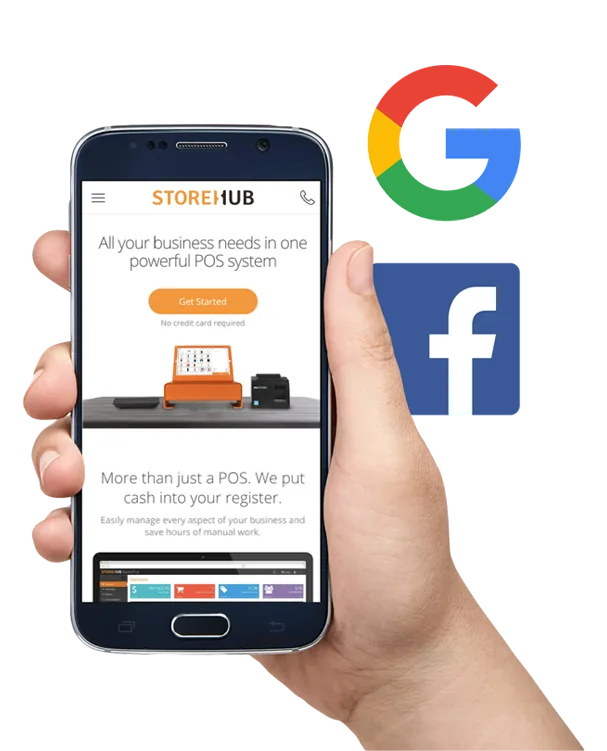
StoreHub, a leading retail operating system for SME’s across Southeast Asia, partnered with Growth Rocket to cement its presence in the Philippines. Through Facebook and Google Advertising, the team was able to ramp up the brand’s lead acquisition and regional penetration. The collaboration has led to meaningful bottom-line results since the engagement kicked off in July 2019.

66.73%
Increase in the total number of leads acquired
65.93%
Reduction in cost per Marketing Qualified Lead (MQL)
106.74%
Increase in total Marketing Qualified Leads acquired
Read More
Case Study: How Growth Rocket Helped Anotoys Drive Retail Sales and Dominate the PH Premium Collectibles Market

Case Study :

Case Study: How Growth Rocket Helped Anotoys Drive Retail Sales and Dominate the PH Premium Collectibles Market

Anotoys partnered with Growth Rocket with the goal to embed the brand in the local premium toy collectibles market. Our team used a suite of customer acquisition strategies, including Facebook Ads, Google Ads, SEO, e-commerce web development, and content marketing to drive conversions and boost revenue.

123.35%
Increase in revenue
288.68%
Increase in conversion volume
174.68%
Increase in organic users
Read More
Case Study: How Growth Rocket Helped Lick Sleeve Increase Net Revenue Through Organic & Paid Search

Case Study :

Case Study: How Growth Rocket Helped Lick Sleeve Increase Net Revenue Through Organic & Paid Search

Lick Sleeve offers a safe and comfortable leg protection device for dogs recovering from a leg injury. The brand wanted to expand its reach by targeting relevant markets with high purchase intent. Growth Rocket helped boost net revenue and transactions through data-driven, customer-centric, and cost-efficient search campaigns.

82,350%
improvement in blog users
1,879%
growth in organic users
427.57%
overall improvement in transactions
191.07%
increase in net revenue
Read More

PPC mistakes we fix

The same handful of errors waste most budgets.

  • Judging campaigns by clicks and impressionsWe measure leads, revenue and cost per result, and report on those.
  • Broken or vague conversion trackingWe audit and test tracking before we scale spend.
  • Letting automation run unattendedSmart bidding and broad match get guardrails, negatives and regular reviews.
  • One landing page for everythingEach campaign gets a page that matches the search and the offer.
  • No negative keywordsWe review search terms and block the ones that drain budget.
  • Starting too wideWe begin with the highest-intent terms, prove the return, then expand.

What we report: PPC metrics that matter

The metrics that matter are conversions, cost per conversion, conversion value and return on ad spend, qualified lead rate and revenue. Clicks and impressions are diagnostics, not goals.

Dashboards are full of numbers, and most of them are not what you came for. We report on a short list: conversions and cost per conversion, conversion value and return on ad spend for stores, qualified lead rate and revenue per lead where you can connect it, impression share to show how much demand you are capturing, and search term quality to show whether the budget is reaching the right people.

Everything else is available if you want it, but we keep the main report to what drives decisions.

PPC management: frequently asked questions

What does a PPC agency do?

It plans and builds campaigns, researches keywords, writes ads, sets up tracking, manages bids and budgets, tests landing pages and reports on results. Done well, it turns ad spend into leads and revenue you can measure.

What is the difference between PPC and SEM?

PPC means any pay-per-click advertising. SEM (search engine marketing) is PPC on search engines like Google and Bing. In practice agencies use the terms almost interchangeably.

How long does PPC take to work?

Clicks start within days. Stable, optimized performance takes weeks of data and iteration. Longer sales cycles take longer to judge.

PPC or SEO: which is better?

They do different jobs. PPC is fast and controllable, SEO compounds over time. Most brands benefit from both, planned together. See our SEO services.

Do you manage Google Ads and Microsoft Advertising?

Yes, plus YouTube, Shopping and remarketing. For Google-specific work, see our Google Ads management page.

Do I own my ad accounts?

Yes. We work inside your accounts and you keep full access at all times.

Can you improve a PPC account another agency built?

Yes. We start with an audit, keep what works, and fix what does not.

What is PPC management?

PPC management is the ongoing work of planning, building, running and improving pay-per-click advertising campaigns: researching keywords, writing ads, setting bids and budgets, tracking conversions, testing landing pages and reporting on results.

What should I expect from a PPC management agency?

Clear goals, accurate tracking, a regular weekly rhythm of optimization, plain-English reporting and access to your accounts. You should always know what was done and why.

What questions should I ask a PPC company?

Ask who will manage your account, whether you will own your accounts, how success is measured, how conversion tracking is set up, how fees work and what reporting looks like.

What is a good return on ad spend for PPC?

It depends on your margins. A return that is profitable for one business loses money for another. We calculate your break-even return from your margins and set targets above it.

What is the difference between PPC and Google Ads?

PPC is the model: you pay per click. Google Ads is one platform that sells PPC advertising, alongside Microsoft Advertising and social platforms. See our Google Ads management page.

Ready for liftoff?

Tell us what you sell and what a customer is worth. We will talk you through what your budget can do and where we would start.

    Work With Us