How Local Businesses Win in AI Search Results
Key Takeaways: AI search engines fundamentally alter how local businesses must approach discoverability, requiring entity-first optimization rather than traditional keyword-focused...
Alvar SantosPeople now ask ChatGPT what to buy. We plan, launch and measure ChatGPT ads alongside our AI search work, so your brand can show up both in the answer and right beside it.
ChatGPT ads are sponsored placements that OpenAI shows in ChatGPT, clearly labelled and kept separate from the answer itself. Advertisers describe the kinds of conversations they want to appear in, set a budget and a bid, and pay for impressions or clicks, with conversions measured through OpenAI’s pixel and Conversions API.
OpenAI began testing ads with US users in February 2026, opened a self-serve Ads Manager in beta that May, and by late October 2026 said ads were live in 89 countries, including the US, much of Europe, India and Southeast Asia, the Philippines among them. Ads appear for people on the Free and Go plans; Plus, Pro and Enterprise stay ad-free.
OpenAI’s stated rules matter for how you plan. Ads do not change what ChatGPT says, conversations are not shared with advertisers, ads are not shown to users under 18, and they are kept away from sensitive subjects such as health, mental health and politics. So an ad cannot buy a recommendation. What it can do is put your offer in front of someone at the moment they are comparing options, right next to an answer you can also work to earn through generative engine optimization.
Updated November 2026 · Growth Rocket search team
Ads appear below or beside ChatGPT’s answer when the conversation matches an advertiser’s context, always labelled as sponsored. They are shown to adults on the Free and Go plans in supported countries, and kept away from sensitive topics.
You can buy through the self-serve Ads Manager, through technology partners, or with OpenAI’s ads team for larger budgets. Availability and features differ by country and change often, so we check them for your markets before planning.
Paying for the placement and earning the citation do different jobs. Most brands will want both.
| Channel | How people arrive | Best for | How it is targeted | Main limit |
|---|---|---|---|---|
| ChatGPT ads | Asking ChatGPT for advice, comparisons or recommendations | Considered purchases, research-heavy decisions, new categories | The topic and stage of the conversation | Young platform; tools, reach and benchmarks are still growing |
| GEO (organic AI visibility) | ChatGPT, Gemini, Claude or Perplexity names or cites your brand | Trust, being recommended, compounding visibility | Earned through content, entities and third-party authority | Slower to build; you cannot buy it |
| Google Search ads | Typing a query into Google | Capturing clear, existing demand | Keywords and audiences | Competitive auctions; part of the journey has moved to AI answers |
| Meta ads | Scrolling Facebook and Instagram | Creating demand, retargeting | Audiences and creative | Lower intent than search or chat |
It looks like search advertising, but the levers are not the same.
You describe the conversations you want to appear in, such as someone comparing CRMs for a small team, rather than bidding on a keyword list. Clear context descriptions decide who sees the ad.
The person has just read a thoughtful answer. A banner-style claim falls flat; an ad that adds a useful, specific next step does not.
Visitors from ChatGPT arrive informed and with one more question. The page should answer it in the first screen.
The pixel and Conversions API, plus analytics that separate ChatGPT traffic, so you can tell whether the channel pays.
Paid placement, tracking and AI visibility, run as one program.
Whether your category, offer and markets suit ChatGPT ads today, and what to fix first if they do not.
The conversations, questions and buying stages your ads should appear in, written as clear context descriptions and grouped for testing.
Account, billing, campaigns and ad groups built with clean naming and controlled test budgets.
Browser and server-side conversion tracking, tested end to end, plus UTM tagging so your analytics can see ChatGPT traffic.
Headlines, descriptions and images written to follow a conversation, with several distinct angles to test.
Pages that pick up where the answer left off: direct, specific and quick to act on.
Reach, click and conversion-focused options chosen by goal, with spend moved to what pays back.
Brand facts, reviews and content checked so ChatGPT’s own answer supports the ad rather than undercutting it.
Exclusions and placements reviewed so your brand appears only where it should.
Cost per lead or purchase, return and AI referral traffic, side by side with your other channels.
Buyers who research tools and vendors in ChatGPT before they ever book a demo.
Travel, education, home services, finance and other decisions people talk through before they commit.
Product comparisons and gift or how-to questions where a relevant offer is genuinely useful.
You are ready when people already use ChatGPT to research what you sell, you operate in a supported market and category, your conversion tracking works, and you have a landing page that answers the questions those people ask.
Most brands are closer than they think, but one or two gaps usually need closing first.
ChatGPT ads buy a labelled placement beside the answer. GEO earns your brand a place inside the answer, as a recommendation or a cited source. Ads are fast and controllable; GEO is slower and compounds. The two work best together.
An ad cannot change what ChatGPT recommends, and GEO cannot guarantee a mention on a given day. Together they cover both. A brand that is cited in the answer and sponsored beside it looks like the obvious choice; a brand that is only sponsored, under an answer naming three competitors, has a harder job.
That is why we run ChatGPT ads with our AI search optimization work: the same prompt research tells us where to advertise, which questions to answer on your site and which brand facts to correct.
Expect a readiness check and tracking setup first, a small test across a few conversation contexts, a few weeks of learning, then scaling or pausing based on your own numbers.
A new channel deserves a patient, honest test.
Benchmarks for this platform are still forming, so we judge it against your other channels rather than an industry average.
ChatGPT is the assistant selling ads inside its conversations at scale. The others are mostly earned through AI search work, so we cover both sides.

Labelled ads beside answers for Free and Go users in 89 countries, plus citations earned inside the answers themselves.

Google Ads can appear in and around AI Overviews and AI Mode. The organic answer beside them is what our SEO and GEO work improves.

Google’s assistant draws on the same web and entity signals as Search, so visibility is earned with classic SEO fundamentals.

Anthropic has said Claude will stay ad-free, so visibility here is earned only, through clear, citable pages and accurate brand facts.

Always shows its sources, which makes it the easiest assistant to track citations in. Fresh, well-structured pages get picked up quickly.
Microsoft Advertising places ads in Copilot conversations, and Bing’s index shapes the answers. We plan for both where your buyers use it.
Small, measured tests first. This is a new channel and we treat it like one.
Category, markets, offer, tracking and how ChatGPT already describes your brand.
The conversations and buying stages to target, and the angle for each.
Controlled budgets, clean tracking and two or three distinct ad angles per context.
Keep the contexts and messages that bring qualified visitors, rewrite or drop the rest.
More budget where the return holds in your own numbers, an honest pause where it does not.
Few teams work on both sides of an AI answer. We do.
We already help brands get named and cited in ChatGPT, Gemini, Claude and Perplexity, so we know how these answers are built.
Google Partner and Meta Business Partner experience in bidding, tracking and testing, applied to a new auction.
Our team includes a Claude Certified Architect and runs AI tools in our own work every day.
ChatGPT ads are live in the US and the Philippines, and we plan for both markets.
We tell you what is known, what is still being learned and when ChatGPT ads are not the right next dollar.
Certified, and kept current
 Google Partner
 Meta Business Partner
 Claude Certified Architect – Foundations
 CXL Certified Optimizer
Everyone is a ChatGPT ads expert this year. These questions find the ones who will treat your budget carefully.
We answer every one of these on a first call.
Look for a real readiness check covering demand, eligibility, tracking and landing pages, not an automatic yes.
Ask how they write and test conversation contexts, and how that differs from keyword targeting.
Expect the pixel, Conversions API and analytics that separate ChatGPT traffic, compared with your other channels.
An agency that only buys ads cannot help if ChatGPT recommends a competitor. Ask about AI visibility work.
A sensible answer is a controlled test with clear success criteria before any scaling.
You should own the Ads Manager account, tracking and all results.
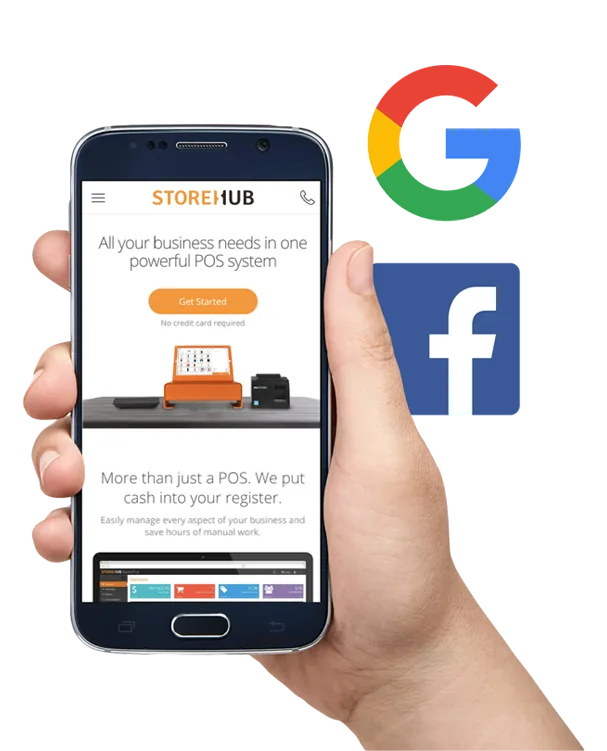

Case Study :
StoreHub, a leading retail operating system for SME’s across Southeast Asia, partnered with Growth Rocket to cement its presence in the Philippines. Through Facebook and Google Advertising, the team was able to ramp up the brand’s lead acquisition and regional penetration. The collaboration has led to meaningful bottom-line results since the engagement kicked off in July 2019.
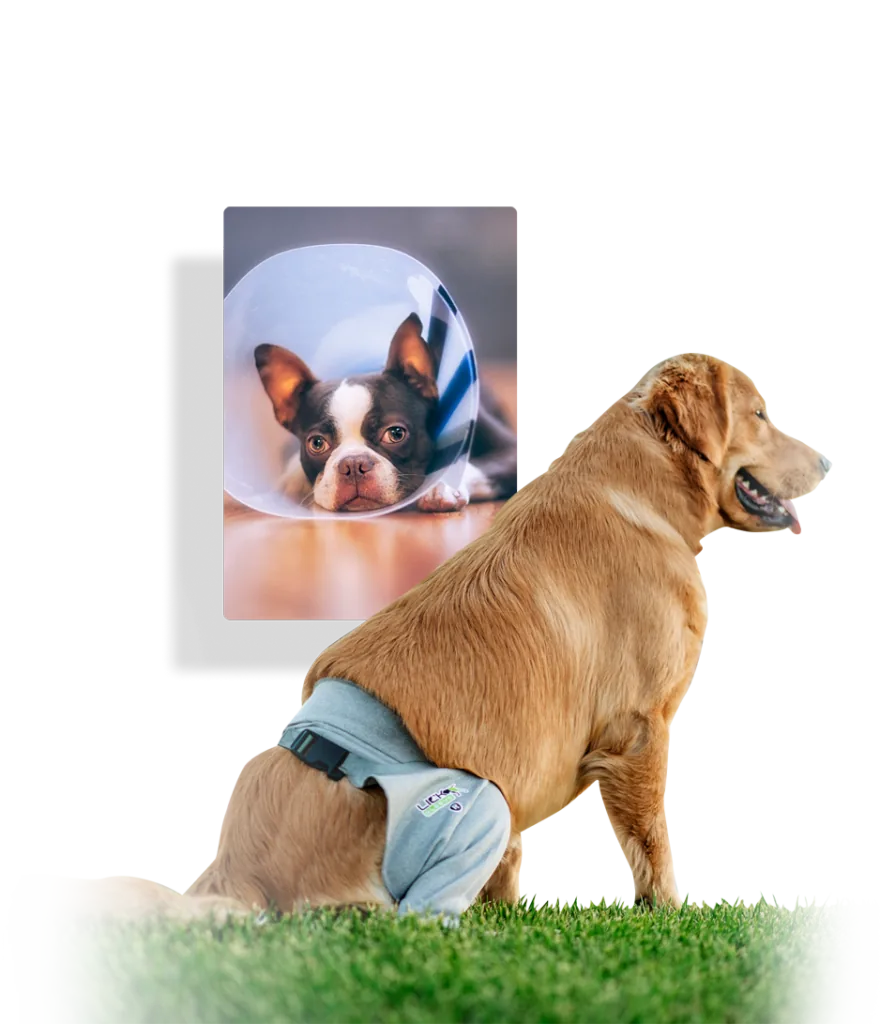

Case Study :
Lick Sleeve offers a safe and comfortable leg protection device for dogs recovering from a leg injury. The brand wanted to expand its reach by targeting relevant markets with high purchase intent. Growth Rocket helped boost net revenue and transactions through data-driven, customer-centric, and cost-efficient search campaigns.
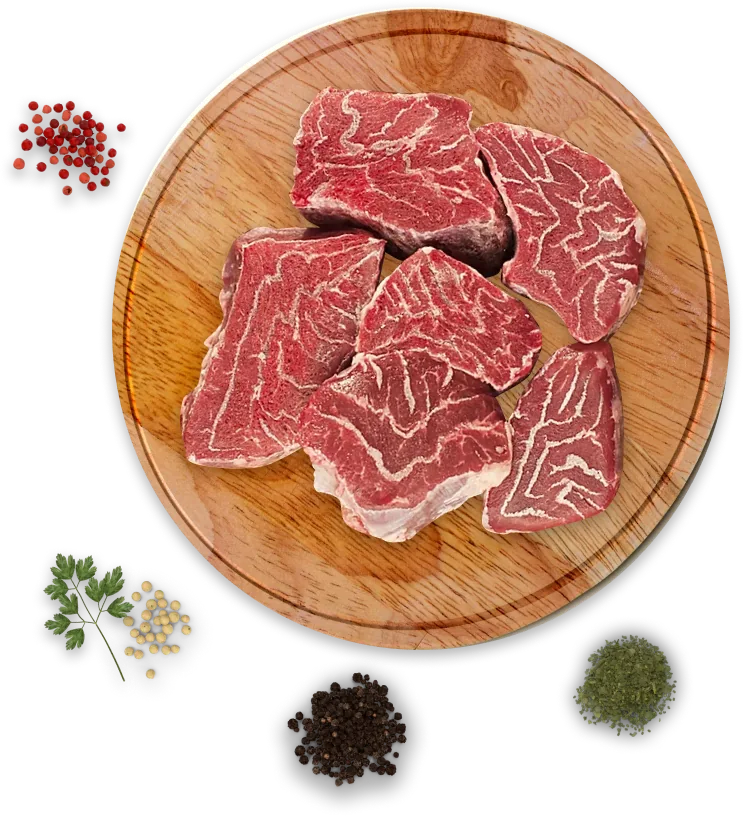

Case Study :
Tenderbites, a meat retailing enterprise, teamed up with Growth Rocket to expand customer reach and ramp up conversions. Through Facebook and Google advertising, we drove a significant boost in conversions and generated greater customer retention.
Early mistakes are expensive on a new platform. These are the common ones.
We report on cost per lead or purchase, return on ad spend, click-through rate and the quality of ChatGPT visitors on your site, next to the same numbers for Google and Meta.
Cost per result and return on ad spend show whether the channel pays. Click-through rate by context shows which conversations your ads fit. Engagement and conversion rate of ChatGPT visitors in your analytics show whether the landing page answers their question. Brand mentions in AI answers, from our AI visibility tracking, show whether the organic side is helping or hurting.
We show what Ads Manager reports and what your own analytics and CRM see, and we explain any gap.
Field notes from our team on the topics on this page.
Key Takeaways: AI search engines fundamentally alter how local businesses must approach discoverability, requiring entity-first optimization rather than traditional keyword-focused...
Alvar SantosKey Takeaways: AI referral traffic behaves fundamentally differently from organic or paid search traffic, requiring a rethink of traditional CRO strategies. Users arriving from...
Josh EvoraKey Takeaways: AI-generated search responses increasingly pull from structured, authoritative, and frequently cited sources, making brand mention optimization a new critical...
Mike VillarYes. OpenAI sells ads in ChatGPT through a self-serve Ads Manager, technology partners and its own ads team. As of November 2026 ads run in 89 countries, including the US and the Philippines.
Adults using the Free and Go plans in supported countries. Plus, Pro and Enterprise users do not see ads, and OpenAI does not show ads to users under 18.
No. OpenAI says advertising does not influence the answers ChatGPT gives, and ads are labelled and shown separately. That is why we pair ads with AI search work that improves the answer itself.
Not in the Google sense. You describe the conversations and topics you want to appear in, and ChatGPT matches ads to the context of a conversation.
No. OpenAI says it keeps conversations private from advertisers and does not sell user data. Advertisers see aggregate results such as impressions, clicks and conversions.
With OpenAI’s pixel and Conversions API for conversions, UTM tags for your analytics, and your CRM for lead quality, compared with your other channels.
For brands whose buyers research in ChatGPT, a controlled test is worth it: early advertisers learn while competition is lighter. For others, fixing AI visibility and tracking first is the better use of budget.
Businesses whose customers ask for advice before buying: B2B software, travel, education, home services, finance and many ecommerce categories. Topics OpenAI treats as sensitive, such as health and politics, do not get ads.
Google Ads match keywords someone typed; ChatGPT ads match the context of a conversation and sit beside a written answer. Both have a place. See our Google Ads management page.
Yes. Ads buy a placement beside the answer; GEO earns your brand a place in it. The strongest position is both.
Yes. ChatGPT ads are live in the Philippines and the US, and we plan campaigns from our Manila and Los Angeles teams.
Yes. We review your contexts, ads, tracking and landing pages, keep what works and fix what does not. The account stays yours.
Tell us what you sell and where. We will check how ChatGPT talks about your category today and show you the first test we would run.

