
AI Search Optimization for eCommerce Brands
Key Takeaways AI-powered search engines are fundamentally changing how consumers discover products, requiring eCommerce brands to shift from traditional SEO to comprehensive...
Mike VillarShoppers search before they buy, and so do the AI assistants that now shortlist products for them. We optimize your categories, products and site structure so the right people find the right item and check out, and we build stores too, so the fixes actually ship.

Ecommerce SEO is the practice of optimizing an online store’s category pages, product pages and site structure so shoppers, search engines and AI assistants can find and choose your products. Done well, it brings in buyers who are already searching for what you sell, at an acquisition cost that falls the longer it compounds.
An online store isn’t one website. It is thousands of near-identical pages, filters that create endless URL variations, products that come and go and a catalog that changes weekly. That is why ecommerce SEO (sometimes written e-commerce SEO) is its own discipline, and why generic SEO advice breaks on real stores.
Our edge is that we also build and run stores. We have shipped on Magento, Shopify and custom PHP, so we know which recommendation is a quick template change and which one is a three-sprint project, and we can do either. It all sits on top of our core SEO program.
Updated October 2026 · Growth Rocket search team
No platform wins on its own: Shopify, Magento (Adobe Commerce), WooCommerce and BigCommerce can all rank well. What matters is how the store is built and run: clean URLs, fast pages, sensible categories, accurate structured data and good content.
This is one of the most searched ecommerce SEO questions, and the useful answer is about trade-offs, not a winner.
Shopify is quick to launch and handles a lot of the basics, but gives you less control over URL structure and has duplicate product paths you need to manage. Magento and Adobe Commerce give the deepest control for large catalogs and complex needs, at the cost of engineering effort. WooCommerce is flexible and sits on WordPress, which makes content easy, but performance depends heavily on hosting and plugins. BigCommerce sits between them with solid built-in features.
Whatever you run, the same things move the needle: crawlable category structure, unique product copy, speed and clean markup. If you are weighing a move, we can tell you honestly whether the platform is your real problem. We also build on Magento and WordPress, so our advice is not tied to selling you a replatform.
Stores win in search on the unglamorous work: clean architecture, strong category pages and product data that is complete and correct.
Faceted navigation and filters, crawl budget, pagination, canonicals, JavaScript rendering, site speed and duplicate-content control, fixed at the template level.
Category pages are usually your highest-value search pages. We research the terms, structure the page and write copy that ranks without hurting conversion.
Title, description, heading and image templates plus unique copy for your best sellers. We prioritize by revenue, not by alphabet.
Product, Offer, review and merchant-listing markup that matches what is visible on the page, so price, stock and ratings show correctly.
Clean product feeds and listings so your products show in Google Shopping and are understood by AI shopping answers.
A structure that passes authority to the pages that make money and keeps buyers two clicks from the product.
Guides, comparisons and answers for the questions people ask before they buy, built to rank and to be cited by AI.
Moving to Magento 2 or another platform without losing rankings: redirect maps, parity checks and post-launch monitoring.
Powerful and flexible, and easy to misconfigure. We tune layered navigation, URL rewrites, canonicals, page speed and structured data, and we are certified Magento developers, so fixes ship.
Simple to run, with a few fixed constraints. We work within them: collection structure, duplicate product URLs, apps that slow the theme, metafields and structured data.
Flexible and plugin-heavy. We keep the stack lean, fix faceted URLs and make sure product and category templates carry the right markup.
JavaScript rendering, API-driven catalogs and bespoke URLs need engineering-level SEO. We work with your developers or ours.
Give each product page a unique title and description, a clear H1, genuinely useful copy, good images with alt text, visible reviews, product schema with price and availability, and links from relevant categories.
Product pages are where searches turn into sales, and most stores treat them as an afterthought. A page that ranks and converts usually has the same ingredients:
Expect an audit and quick technical wins in the first month, category and product page improvements in the second, and growing organic revenue in the third, prioritized by what earns the most.
Ecommerce SEO is a program with a rhythm.
Results compound from there, so we set quarterly goals and review them with you.
Same flight plan as our core SEO program, with a store-shaped checklist.
We start with the pages that already make money and the ones that should, then audit technical health, catalog structure and product data.
Every category and top product gets a target query and a purpose, so pages stop competing with each other.
We change the templates before touching individual pages, because one template fix improves thousands of URLs.
Category copy, guides and digital PR build the topical authority that product pages can’t earn alone.
Organic revenue, assisted conversions and visibility in AI shopping answers, not just rankings.
Ecommerce is where search, paid and development have to work together. We are set up for that.
Certified Magento developers and Shopify and PHP engineers on the same team as the SEOs.
Google Ads and Meta data tells us which products sell and which queries convert, and we use it to prioritize SEO.
A fix that touches 10,000 low-traffic URLs loses to a fix that touches your top 50 products. We work in that order.
Complete, consistent product facts are what AI shopping answers pull from. We treat your catalog as a source of truth.
You see revenue, not a wall of keyword positions.
Certified, and kept current
 Google Partner
 Magento Certified Developer
 CXL Certified Optimizer
Ecommerce SEO is more technical than most, and a generic agency can do real damage to a catalog. Ask these before you sign.
We answer every one of these on a first call.
Shopify, Magento, WooCommerce and BigCommerce each have their own traps. Ask for examples at a similar scale.
Done wrong, filters create thousands of near-duplicate pages. A good answer covers crawl control, canonicals and which filters deserve indexable pages.
Look for a practical plan: prioritize by revenue, write unique copy where it counts, and use templates carefully elsewhere.
You cannot optimize 20,000 products at once. The right approach starts with the categories and products that earn the most or have the biggest upside.
Ask about redirect maps, before-and-after comparisons and launch checks. This is where most ranking losses happen.
Look for organic revenue, transactions and conversion rate, not only traffic and rankings.
Ecommerce SEO fixes often need engineering. Ask how they brief developers and who tests the changes.


Case Study :
Lick Sleeve offers a safe and comfortable leg protection device for dogs recovering from a leg injury. The brand wanted to expand its reach by targeting relevant markets with high purchase intent. Growth Rocket helped boost net revenue and transactions through data-driven, customer-centric, and cost-efficient search campaigns.


Case Study :
Anotoys partnered with Growth Rocket with the goal to embed the brand in the local premium toy collectibles market. Our team used a suite of customer acquisition strategies, including Facebook Ads, Google Ads, SEO, e-commerce web development, and content marketing to drive conversions and boost revenue.

Case Study :
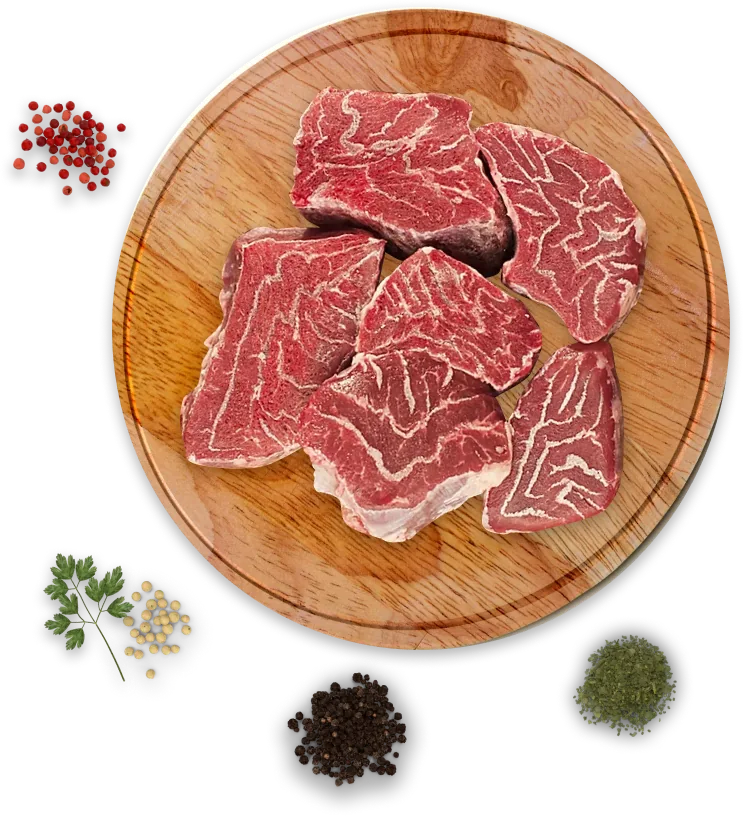
Tenderbites, a meat retailing enterprise, teamed up with Growth Rocket to expand customer reach and ramp up conversions. Through Facebook and Google advertising, we drove a significant boost in conversions and generated greater customer retention.
Stores tend to trip on the same few things.
Paid ads buy immediate visibility; SEO builds lasting visibility. Together, paid search shows which keywords convert, SEO makes those pages rank, and product feeds serve both.
Searches like “do ecommerce sites need SEO and PPC” have a short answer: most growing stores benefit from both. Ads give you traffic and data now. SEO lowers your cost per sale over time and protects you when ad costs rise.
We run both for stores, which lets us use paid data to choose which pages to optimize first, and use organic content to improve landing page quality and lower ad costs. A clean Merchant Center feed also serves free product listings and Shopping ads from the same data. See our Google Ads management and Meta advertising services.
Field notes from our team on the topics on this page.
Key Takeaways AI-powered search engines are fundamentally changing how consumers discover products, requiring eCommerce brands to shift from traditional SEO to comprehensive...
Mike VillarKey Takeaways: Crawl budget is a finite resource, and large e-commerce catalogs with 10,000+ SKUs are among the most common offenders when it comes to wasting it. Faceted...
Alvar SantosThe Hidden Power of Generative Engine Optimization for eCommerce Key takeaway : Generative Engine Optimization is quietly becoming the most effective strategy for future-proofing...
Mike VillarTemplate and technical fixes can lift visibility within weeks. Category and content work usually compounds over three to six months. We give you a realistic timeline for your store before we start.
Both can rank well. Shopify is simpler and has fewer technical traps. Magento is more flexible but needs more careful setup around speed, faceted navigation and URLs. The right choice depends on your catalog and growth plans, and we work on both.
We decide which filter combinations deserve to be indexed because people search for them, and we keep the rest out of the index with canonicals, robots rules and parameter handling so crawl budget goes to pages that sell.
Duplicate descriptions rarely help. We prioritize rewriting copy for your best sellers and highest-margin lines and make the template do the rest, rather than rewriting the whole catalog.
Yes. We plan redirects, compare templates before launch, monitor indexation and rankings after launch and fix regressions quickly. Migrations are a core part of what we do.
It does. AI assistants rely on accurate product data, reviews and third-party mentions, which good ecommerce SEO produces. We extend this into GEO so your products are named when shoppers ask for recommendations.
Search Console and analytics access are enough to start. For implementation we either work with your developers or ours, whichever you prefer.
Yes. Search and paid work best planned together, and our paid media team manages Google and Meta campaigns for stores.
No single platform wins. Shopify, Magento (Adobe Commerce), WooCommerce and BigCommerce can all rank well when built and run properly. Choose on your catalog, team and budget, then fix the SEO fundamentals on whichever you use.
Write unique titles and descriptions, add genuinely useful copy, use good images with alt text, show reviews, add product structured data, and link to the page from relevant categories and guides.
Most growing stores benefit from both. Paid ads bring traffic and data now, and SEO lowers your cost per sale over time. We plan them together.
Technical fixes can show results within weeks. Category and product improvements and content usually take a few months to compound. We set targets by quarter and report on organic revenue.
Send us your store and your goals. We will tell you what is holding your catalog back and what we would fix first.