

AI-Driven Creative Fatigue Detection in Meta Ads
Key Takeaways: Creative fatigue in Meta Ads is one of the most silent, costly performance killers in paid social, and most teams are still detecting it manually and far too late....
Mike VillarOn Meta, creative does most of the work. We build the ads, the tracking and the test plan that turn Facebook and Instagram into a reliable source of leads and sales, with teams in Los Angeles and Manila.

Meta advertising is paid promotion across Facebook, Instagram, Messenger, WhatsApp and Meta’s partner apps. You choose a goal, such as leads, sales or installs, and Meta’s system shows your ads to the people most likely to act, based on your creative, your audience signals and your tracking data.
People do not go to Facebook or Instagram to buy from you. They go to see friends, watch videos and scroll. A good Meta ad earns a few seconds of attention in that stream, and a good funnel behind it turns that attention into a customer. That is why creative and measurement matter more here than on search.
Meta has described a retrieval system, called Andromeda, that reads each ad’s content to decide who might see it, so the creative itself now does much of the targeting. It is also why messy tracking hurts so much: the system learns from the conversions you report. We pair Meta with Google Ads and SEO so you capture the demand you create.
Updated October 2026 · Growth Rocket search team
Yes. Meta is the company that owns Facebook, Instagram, Messenger and WhatsApp. “Facebook ads” and “Meta ads” both mean advertising bought through Meta’s Ads Manager, which places ads across those apps and Meta’s partner network.
Searches for “Facebook ads agency” still outnumber “Meta ads agency” several times over, because most people kept calling it Facebook. We use both terms and mean the same thing.
Where ads can appear: Facebook Feed, Stories and Reels, Instagram Feed, Stories, Reels and Explore, Messenger, WhatsApp, and the Audience Network of partner apps. Placement choices matter: Reels and Stories reward vertical, fast, native-looking creative, while Feed placements suit richer messages.
The Ads Manager is the tool, and a “manager” in your business is whoever gets assigned access to it. As with any platform we work with, your ad account stays yours.
They answer different questions. This is how we decide where budget goes.
| Channel | How people arrive | Best for | Role in the funnel | Main limit |
|---|---|---|---|---|
| Meta ads | They are browsing and meet your ad | Creating demand, visual products, retargeting, lead generation | Awareness through conversion | Creative fatigue; intent is lower than search |
| Google Ads | They search for what you sell | Capturing existing demand | Conversion | Needs demand to exist; clicks get pricey in competitive markets |
| Organic social | They follow or discover you | Community, trust, brand voice | Awareness and retention | Slow and hard to scale on its own |
| SEO | They search and find your page | Compounding, lower-cost traffic | Consideration and conversion | Slower to start |
The platform has changed more than the pitch decks. These are the levers we pull.
Meta’s system matches the content of each ad to people. Distinct concepts, hooks and formats reach different audiences. Near-duplicate ads compete against each other.
The Meta Pixel and the Conversions API feed the system real outcomes. We set up both so tracking survives browser and privacy limits.
Fewer, broader campaigns usually learn faster than many tiny ad sets. We keep the structure lean and the testing disciplined.
Ads wear out. We plan a steady pipeline of new angles instead of waiting for performance to drop.
Strategy, creative, tracking and testing, run as one program.
Goals, audiences, offers and a clear role for each campaign, from first touch to purchase.
Event tracking built and tested so Meta learns from real purchases and qualified leads.
Concepts, hooks and formats planned around what people care about: static, video, carousel, Reels and user-style content.
Copy, design direction and edits, or we work from your assets.
Broad, interest, lookalike and customer-list audiences, plus Advantage+ campaigns where they earn their place.
Automated product ads for stores, connected to your catalog and your best sellers.
Instant forms and landing pages, with lead quality checked and sent back to Meta.
Timely reminders for people who visited, added to cart or watched, without wearing them out.
A steady program of tests on hooks, offers and formats, with a clear record of what was learned.
Cost per lead, cost per purchase and return by campaign, with notes on creative and next steps.
Catalog and creative-led campaigns for stores, with margin-aware targets.
Forms and landing pages for services and B2B, with lead quality in the loop.
Install and first-purchase campaigns built on localization and timing.
We use a lean funnel: prospecting to reach new people, retargeting to bring back visitors and engaged audiences, and retention to keep customers buying. Each stage has its own creative, offer and measure.
Overcomplicated account structures are one of the most common problems we see. A clean structure makes it easier for Meta’s system to learn and for you to understand results.
Expect tracking and structure fixes first, a controlled launch with several creative concepts, a learning period of a few weeks, then scaling the winners and replacing the rest.
Meta rewards patience and discipline.
The pattern repeats: test, learn, scale. The accounts that do best are the ones with a steady supply of new, genuinely different creative.
A repeatable cycle that keeps creative fresh and spend honest.
Tracking, account structure, audiences and past performance reviewed and fixed.
Concepts and hooks chosen from what customers care about and what already works.
Clean structure, clear goals and controlled budgets.
New creative and offers every cycle, with winners scaled and losers retired.
Plain-English reviews, then more budget where return holds.
A boutique agency with enterprise discipline, and campaigns we have run for US and Southeast Asian brands.
We hold Meta’s partner credential and stay current as the platform changes.
Local knowledge in both markets, and the ability to localize creative and timing for each.
The people who plan the ads also check the tracking, so nothing gets lost between the two.
We fix the landing page and the search side as well as the ad.
We tell you what worked, what failed and what we will test next.
Certified, and kept current
 Meta Business Partner
 Meta Certified Media Planning Professional
 Meta Blueprint Certified Planner
 Google Partner
Anyone can run a boosted post. These questions find the agencies that can run a program.
We answer every one of these on a first call.
On Meta, creative decides results. Ask who concepts, writes and produces it, and how many new concepts you will get.
Look for the Pixel and Conversions API, tested and verified, with a clear view of how results are attributed.
A good answer includes a testing roadmap and a record of learnings.
You should, including all assets and audiences.
Look for cost per lead or purchase and return, with commentary, not a wall of platform metrics.
Ask for results, for example lead generation, ecommerce or app installs, that match your goal.
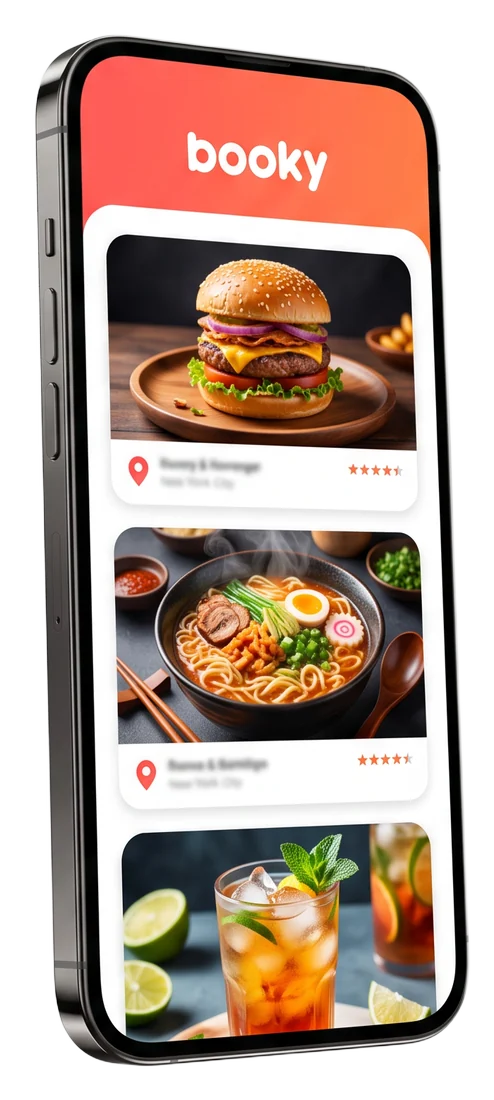

Case Study :
This lifestyle app with a strong reach in Metro Manila leveraged Facebook Ads to propel its customer acquisition and retention efforts. Growth Rocket combined localization and hyper-targeting to drive a significant boost in app installs and usage at lower costs.
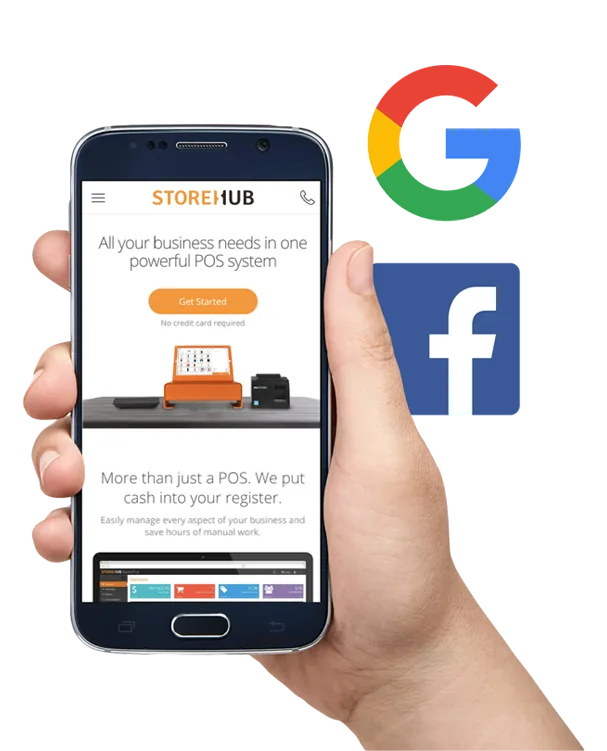

Case Study :
StoreHub, a leading retail operating system for SME’s across Southeast Asia, partnered with Growth Rocket to cement its presence in the Philippines. Through Facebook and Google Advertising, the team was able to ramp up the brand’s lead acquisition and regional penetration. The collaboration has led to meaningful bottom-line results since the engagement kicked off in July 2019.


Case Study :
Tenderbites, a meat retailing enterprise, teamed up with Growth Rocket to expand customer reach and ramp up conversions. Through Facebook and Google advertising, we drove a significant boost in conversions and generated greater customer retention.


Case Study :
Anotoys partnered with Growth Rocket with the goal to embed the brand in the local premium toy collectibles market. Our team used a suite of customer acquisition strategies, including Facebook Ads, Google Ads, SEO, e-commerce web development, and content marketing to drive conversions and boost revenue.
Most underperforming accounts share a few habits.
We report on cost per lead or purchase, return on ad spend, conversion value and creative performance. Reach and engagement are useful clues, but they are not the goal.
Ads Manager offers hundreds of columns. We pick a few. Cost per result (lead, purchase or install) and return on ad spend show whether the program pays. Creative-level performance shows which concepts earn their budget. Frequency and reach warn of fatigue. Blended results in your analytics and CRM show what the platform does not, such as influence on sales that finish elsewhere.
We explain the difference between what Meta reports and what your business sees, and we show both.
Field notes from our team on the topics on this page.
Key Takeaways: Creative fatigue in Meta Ads is one of the most silent, costly performance killers in paid social, and most teams are still detecting it manually and far too late....
Mike VillarFacebook is a thriving platform for anyone looking to boost brand awareness. With 2.6 billion monthly active users, it’s currently the biggest social networking platform...
Stefanie SiclotMeta is the company that owns Facebook, Instagram, Messenger and WhatsApp. Meta ads and Facebook and Instagram ads run through the same Ads Manager, so we use the terms together.
You can see early signals within days, but the system needs a learning period, and creative testing takes a few cycles. Plan on weeks to find what works, not days.
Yes. We build catalog and creative-led campaigns, connect your product feed and measure on revenue and margin, not just clicks. See our ecommerce SEO too.
We plan the concepts and can support copy, design direction and editing, or work from assets you already have.
They do different jobs. Meta helps create demand, Google captures it. Most growing brands use both. See our Google Ads management page.
Often both. Meta is strong at reach, retargeting and lead generation; TikTok is strongest at discovery through native, sound-on video. See our TikTok advertising page.
It sends conversion events from your server to Meta, which makes tracking more reliable when browsers block the pixel. We recommend it for almost every account.
Yes. We run campaigns for brands in both markets and localize creative, offers and timing for each.
Yes. We audit it first, keep what works and fix what does not. The account stays yours.
Nothing important. Meta owns Facebook, Instagram, Messenger and WhatsApp, and Meta ads are bought through the same Ads Manager. Facebook ads usually means the same thing in everyday use.
For many businesses, yes. It is one of the few channels that can create demand at scale, particularly for visual products, local offers and lead generation, when creative and tracking are done properly.
Ask who creates the creative, how tracking is set up, how testing works, whether you own the account and how results are reported. Look for case studies like your own business.
Yes, for the right offers and audiences, especially retargeting, lead generation and event or content promotion. Results depend on creative, targeting and a strong follow-up process.
Tell us what you sell and who you want to reach. We will review your account and show you the creative and tracking we would start with.
