

How AI Prevents Fraud in Magento Checkouts
Key Takeaways AI-powered fraud detection systems can reduce false positives by up to 70% while maintaining security standards in Magento checkouts Real-time behavioral analysis and...
Mike VillarMagento and Adobe Commerce can handle almost any catalog, any checkout and any integration you throw at them. We are certified Magento developers who handle custom Magento development and also run SEO and paid media for online stores, so what we build is meant to sell, not just launch.

Magento development is the building, customizing, migrating and maintaining of online stores on Magento Open Source or Adobe Commerce. It covers storefront themes, custom modules, checkout, B2B features, integrations with ERP, PIM and shipping systems, performance and security.
Magento is open, flexible and powerful. It runs large catalogs, multiple storefronts, complex pricing and B2B workflows that simpler platforms struggle with. That power comes with weight: a poorly built Magento store is slow, expensive to maintain and hard to upgrade, which is why who builds it matters more than the platform.
We build stores that load fast, stay upgradeable and are ready for search from day one, because the same team that writes the code also understands ecommerce SEO and the paid campaigns that bring traffic. Planning a move from another platform? We handle migrations without losing the rankings you have earned.
Updated October 2026 · Growth Rocket search team
Choose Shopify when you want speed to launch and low maintenance with standard needs. Choose Magento (Adobe Commerce) when you need deep control over a large or complex catalog, B2B features or custom integrations, and can support the engineering.
“Magento vs Shopify” is searched about a thousand times a month, and the answer depends on what you sell and who will maintain it.
Shopify is hosted, simple and quick. It handles security and updates for you, has a vast app store and works well for brands with fairly standard catalogs and checkout needs. The trade-off is less control over the platform’s core behavior and fees that grow with volume and apps.
Magento and Adobe Commerce are open and flexible. You can model complicated catalogs and pricing, run multiple storefronts, serve B2B customers and integrate deeply with other systems. The trade-off is that you carry more responsibility: hosting, security patches, upgrades and a development team that knows what it is doing.
We build on Magento and advise on others, so we will tell you if a simpler platform fits better. Many of the best conversations we have start with “do we really need Magento?”.
The right answer depends on your catalog, your team and your roadmap.
| Option | Best for | Hosting | Strengths | Trade-offs |
|---|---|---|---|---|
| Magento Open Source | Growing stores with in-house or agency development | You choose and manage it | Free license, huge ecosystem, full control of the code | You carry hosting, security patches and upgrades; fewer built-in B2B and enterprise tools |
| Adobe Commerce | Larger catalogs, B2B and complex merchandising | Self-hosted or on a platform of your choice | B2B features, staging and content tools, official support | License cost; the same engineering care as any large store |
| Adobe Commerce Cloud | Teams that want Adobe to manage the infrastructure | Adobe’s managed cloud | Managed hosting, scaling and deployment tooling | Higher total cost; less freedom over infrastructure |
We would rather tell you early if another platform fits better. These are the signs Magento is worth it.
Thousands of SKUs, configurable products, customer-specific pricing or multiple currencies and storefronts.
Company accounts, quotes, requisition lists and shared catalogs are built for Magento.
ERP, PIM, OMS, CRM and shipping integrations are routine work on Magento.
You want to own the code, customize checkout and decide how the store grows.
From a focused fix to a full replatform, built by certified developers.
New stores built on a clean architecture, designed to be upgraded rather than rewritten.
Purpose-built functionality that fits your business, written to Magento standards.
Fast, accessible storefronts, including Hyvä-based themes, and headless or PWA front ends where they pay off.
Moves to Magento from other platforms, and between Magento versions, with a redirect map that protects your SEO.
Version upgrades and regular patches, planned around Adobe’s published support dates.
Caching, indexing, image delivery and code fixes that make the store faster for shoppers and search engines.
Company accounts, quotes, shared catalogs and custom pricing.
ERP, PIM, OMS, CRM, payment, shipping and marketing tools connected through clean APIs.
Fewer steps, clearer errors and tested changes that lift conversion.
A team that stays after launch, with monitoring, fixes and a roadmap for improvements.
A safe migration maps every important URL, keeps titles, descriptions, canonicals and structured data, sets up one-step redirects, and compares the new site against the old one before and after launch.
Replatforming is where stores lose rankings, usually because the URLs, content or structure changed and nobody checked. Our process treats SEO as part of the migration, not an afterthought.
Expect discovery and a technical audit first, then architecture and an estimate, development in sprints on a staging site, testing and an SEO comparison, a managed launch and ongoing support.
A Magento project is large enough that process matters.
Smaller jobs, such as a module, a performance fix or an upgrade, follow the same shape in a shorter form.
From premium meat delivery to auto parts, each store has its own brand, catalog and way of shopping. Pick a store to see it on desktop and mobile.


The same three standards run through every store above. This is what they mean in practice. Speed and structure also decide how a store ranks, which is where our ecommerce SEO work picks up.
Designed around how your customers shop
A store succeeds when shoppers find the right product quickly and trust what they see. Design starts there, and the brand is layered on top.
Fast on a real phone, not only in a lab test
Large catalogs are heavy by nature. We keep the storefront light so shoppers and search engines get pages quickly.
Built to stay up on the busiest day of the year
Reliability comes from discipline: how code ships, how the store is protected and how quickly problems are seen.
Clear stages, regular demos and no surprises at launch.
We review your store, goals, integrations and codebase, and tell you what we would keep, fix or replace.
A plan, a scope and a price for defined work, with the trade-offs explained.
Working software on a staging site, reviewed with you every sprint.
QA, performance checks, redirects and an SEO comparison before go-live.
Monitoring, upgrades and a roadmap of improvements after launch.
A boutique team with enterprise discipline, and developers who understand how stores grow.
The people who scope your project are the people who build it.
We bring ecommerce SEO, paid media and conversion thinking into the build.
We baseline titles, canonicals, schema and redirects before launch and compare them after.
Clean, documented, upgradeable code that belongs to you.
We support what we build and plan the next improvements with you.
Certified, and kept current
 Magento Certified Developer
 Google Partner
 CXL Certified Optimizer
Magento work is complex, and a poor build is expensive to undo. Ask these before you commit.
We answer every one of these on a first call.
Certification is a baseline. Ask who is certified and who will work on your project.
Ask about the team, their experience and whether the people who scope are the people who build.
Stores that fall behind get expensive. Ask how they plan and test updates.
Look for specific answers: caching, indexing, theme weight, Core Web Vitals targets and testing.
The answer should include a baseline, a redirect map and before and after comparisons.
You should. Documented, clean code that any competent team can take over.
Ask about support, monitoring and how improvements are planned.


Case Study :
Anotoys partnered with Growth Rocket with the goal to embed the brand in the local premium toy collectibles market. Our team used a suite of customer acquisition strategies, including Facebook Ads, Google Ads, SEO, e-commerce web development, and content marketing to drive conversions and boost revenue.

Case Study :
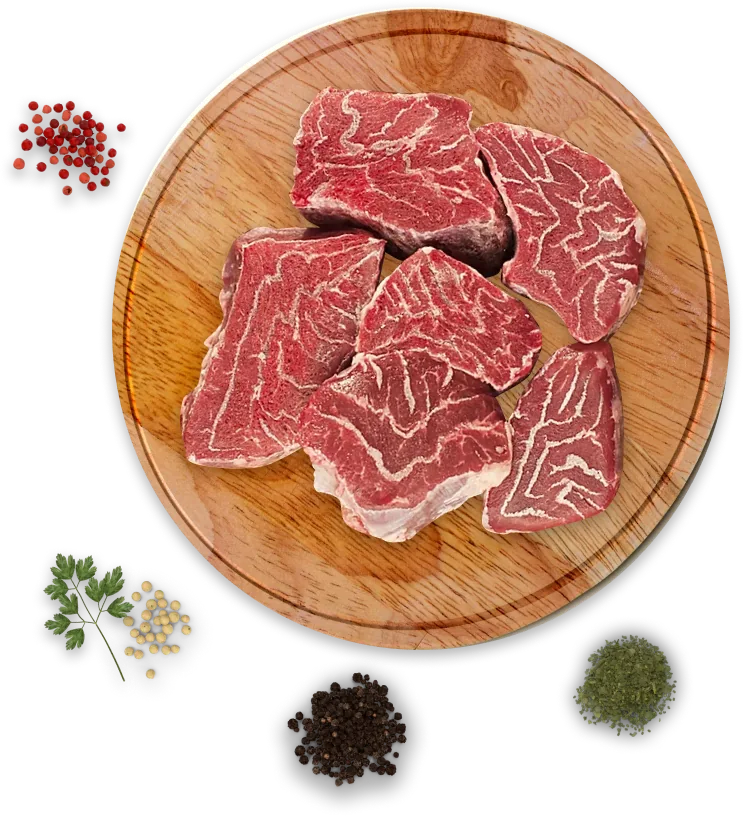
Tenderbites, a meat retailing enterprise, teamed up with Growth Rocket to expand customer reach and ramp up conversions. Through Facebook and Google advertising, we drove a significant boost in conversions and generated greater customer retention.


Case Study :
Lick Sleeve offers a safe and comfortable leg protection device for dogs recovering from a leg injury. The brand wanted to expand its reach by targeting relevant markets with high purchase intent. Growth Rocket helped boost net revenue and transactions through data-driven, customer-centric, and cost-efficient search campaigns.
Most Magento pain comes from the same few decisions.
In-house suits stores with a constant stream of work. Freelancers suit small, well-defined tasks. An agency suits projects and ongoing work that need a team: developers, QA, project management and strategy.
“Hire Magento developer” is one of the most valuable searches in this category, and the right answer depends on the shape of the work.
A single freelancer is cost-effective for a defined job, but becomes a risk when they are unavailable or when the work spans front end, back end, infrastructure and SEO. An in-house developer gives you availability but is one person with one set of skills. An agency gives you a bench with the right people for each part and the process to deliver predictably.
We work as a team and as an extension of yours. If you have developers, we can augment them; if you do not, we can be your engineering department. Either way, the code is yours.
A fast Magento store depends on hosting, full-page and object caching, a lean theme, optimized images, clean extensions and well-tuned search and indexing. Hyvä-based storefronts can help a lot.
Speed affects both conversion and search visibility. The usual causes of a slow Magento store are a heavy theme, too many extensions, unoptimized images, weak caching and an under-resourced server.
Our performance work starts with measurement, then focuses on what makes the largest difference: caching configuration, theme and JavaScript weight, image delivery, database and search tuning, and extension review. For stores that want a step change, a Hyvä storefront can reduce front-end complexity and improve Core Web Vitals.
Field notes from our team on the topics on this page.
Key Takeaways AI-powered fraud detection systems can reduce false positives by up to 70% while maintaining security standards in Magento checkouts Real-time behavioral analysis and...
Mike VillarKey Takeaways AI agents are transforming Magento marketing automation by delivering hyper-personalized campaigns that adapt in real-time based on customer behavior and purchase...
Mike VillarKey Takeaways: AI will transform every aspect of Magento commerce by 2027, from customer discovery to order fulfillment, making AI-first architecture essential for competitive...
Josh EvoraIt builds and customizes online stores on Magento or Adobe Commerce, develops custom modules and themes, handles migrations and upgrades, connects the store to other business systems and keeps it fast, secure and supported.
Shopify is simpler and faster to launch. Magento gives more control for complex catalogs, B2B and deep integrations. We help you choose on your needs, not on what we happen to build.
A focused upgrade can take weeks. A full build or migration usually takes a few months, depending on scope and integrations. We give a timeline after discovery.
Yes. We map URLs, preserve titles, descriptions, canonicals and structured data, set up redirects and compare before and after launch. See our ecommerce SEO work.
Yes. Hyvä-based themes can make a Magento storefront much faster and simpler to maintain, and we will tell you if it suits your store.
Yes. We start with a code and performance audit, then tell you what to keep, fix or replace.
Adobe publishes support dates for every release. We check your version against them and plan an upgrade path before you reach the end of support.
Yes. We run SEO, Google Ads and Meta ads, so the store and the traffic are planned together.
Decide whether you need a one-off project, ongoing support or a team. Check certifications, ask for relevant examples, meet the people who will do the work and make sure you will own the code. An agency is a good fit when the work spans several skills.
Magento Open Source is the free edition. Adobe Commerce is the paid edition with additional features, including B2B tools and official support, and it can be run on Adobe’s managed cloud.
Hyvä is a modern, lightweight frontend for Magento that can make storefronts much faster and simpler to maintain. It is a strong option for many stores, and we will tell you whether it suits yours.
Measure first, then fix the largest causes: caching, heavy themes and JavaScript, unoptimized images, extension bloat and server resources. A Hyvä storefront can also help significantly.
Yes. We connect Magento with ERP, PIM, OMS, CRM, shipping and payment systems through clean, tested APIs.
Tell us about your store and what is holding it back. We will give you an honest assessment and a plan.