
Does AI content hurt your SEO? What Google really says
The short answer No. Google does not penalize AI content just because a model wrote it. It demotes low-quality, unoriginal pages made to manipulate rankings, however they were...
Mike VillarContent decay is the gradual decline in organic traffic, engagement, and rankings of once-popular content. Businesses should conduct regular audits, update old content with fresh insights, optimize for new keywords, and enhance user experience to combat content decay. By proactively addressing content decay, brands can maximize the value of existing content and sustain strong search engine performance over time.
 Amanda Bianca Co
· 4 min read
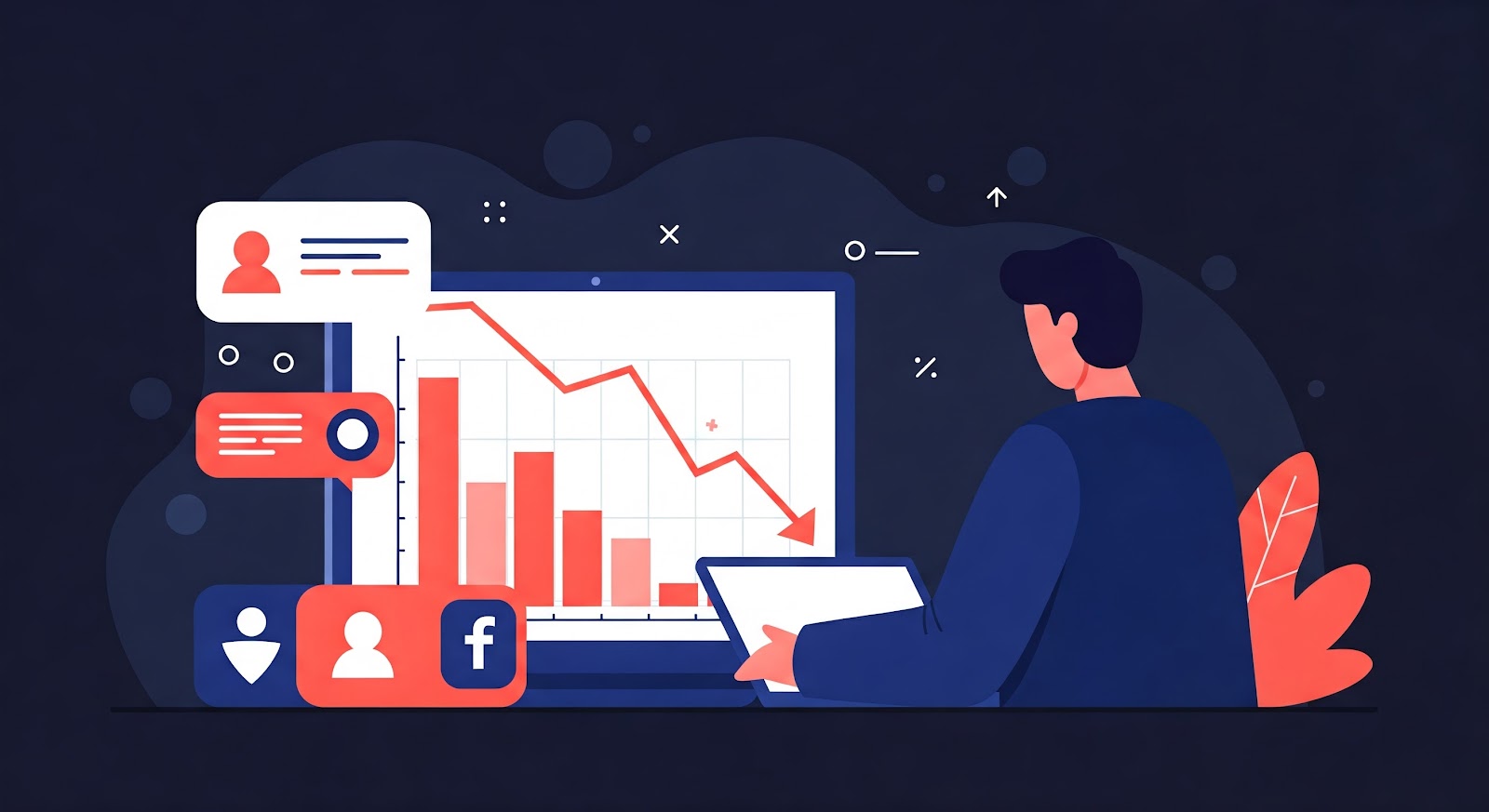
Content decay is a gradual decline in the performance of previously high-ranking and high-traffic content. This phenomenon can affect blog posts, web pages, and other forms of online content, leading to a drop in organic traffic, engagement, and search engine rankings. Unlike sudden ranking drops caused by algorithm updates or penalties, content decay happens slowly over time, making it easy to overlook until significant losses occur.
For marketers, content decay represents a slow but steady decline in the value of their content assets. It means once-popular articles and landing pages no longer attract the same traffic, conversions, or engagement. This decline can lead to lost opportunities, reduced brand visibility, and a weaker overall digital presence.
Several factors contribute to content decay, including:
Before fixing content decay, you need to identify which pages are underperforming. Here are a few methods:
Analyzing your content’s traffic patterns over time can reveal important insights, similar to monitoring your overall digital marketing performance metrics.
Check the “Landing Pages” report and compare traffic over different periods to identify content losing momentum. Pay special attention to:
Once you’ve identified decaying content, the next step is to refresh and optimize it. Below are actionable strategies to bring old content back to life.
Following fundamental UX design principles while optimizing your content can help maintain engagement and prevent decay. Focus on:
Proactively maintaining content can prevent significant losses in traffic and rankings. Here are some long-term strategies:
Content decay is an inevitable challenge in digital marketing, but it can be managed with the right strategies. Regular audits, timely updates, and proactive optimization efforts can extend the lifespan of valuable content. By staying ahead of trends and continuously improving user experience, businesses can ensure their content remains fresh, relevant, and competitive.
Don’t let content decay erode your hard-earned SEO gains. Contact us today to optimize your website and keep your content performing at its best!
The short answer No. Google does not penalize AI content just because a model wrote it. It demotes low-quality, unoriginal pages made to manipulate rankings, however they were...
Mike VillarGEO priorities for small teams: what to do first (and what to skip) If you run marketing with one to three people, your GEO priorities for small teams come down to this: make sure...
Mike VillarKey Takeaways: Optimizing Average Order Value (AOV) consistently delivers faster, more measurable ROI than scaling paid traffic spend. Bundling, upsells, cross-sells, and...
Mike VillarStart your brand's success journey today with a conversation. Share your goals and objectives with us and let's set up a discovery call.